EXTEND YOUR YOUTH
Can aging be avoided, or is it inevitable? Why do some of us age more slowly than others? Can aging be slowed down? We all wish to remain young, active and full of energy. Today, this is no longer merely a wish but a real possibility. Anyone can now reach an advanced age with ample energy and physical and mental strength. You only have to want to…
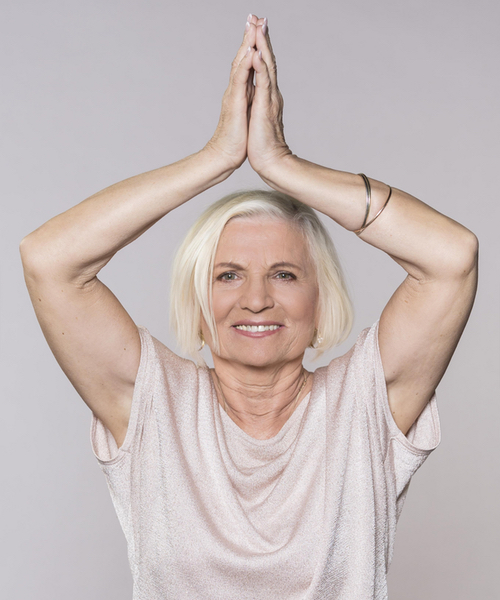
“There are currently around 300 theories of aging, but none can fully explain the aging process. The free radical theory is popular in modern medical science. It holds that, in addition to genetic predisposition, aging is influenced by the accumulation over time of damage to cells caused by free radicals,” says Dr. Golková, president of the Association of Anti-Aging Medicine. Aging is inevitable, but the rate at which we age can be changed and our quality of life improved. The aging process itself is highly individual and depends on the body's overall condition and many other factors. Our actual age, meaning our age on paper, can therefore differ considerably from our biological age, by 20 years or more. Biological age can be determined from changes in the DNA of cells in our tissues and organs. The bio-aging system makes it possible to slow the aging of our organs and thus change our biological age.
SIGNS OF BIOLOGICAL AGING
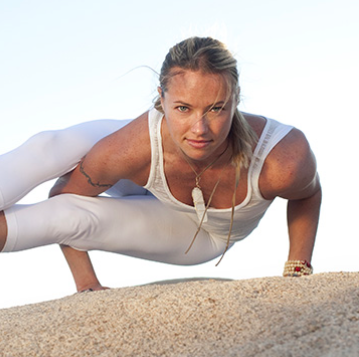
- reduced vitality
- reduced muscle strength and tone
- changes in body constitution
- reduced joint mobility
- skin changes, such as wrinkles and sagging
- declining brain function: memory, reaction speed and concentration
- declining cardiovascular function
- reduced hormonal activity
- declining sexuality
IN THEORY, WE SHOULD LIVE TO 120
How quickly we age and how this manifests in our bodies depend 50% on our genes and 50% on the environment in which we live and our lifestyle. People who look after their physical and mental health feel better. “Research shows that preventive measures can avoid virtually all health problems.
Serious illnesses that appear before the age of 60 have genetic causes; after 60, we bring most of our problems upon ourselves. The external environment, polluted air, stress, an unhealthy rhythm of life and so on also play a part,” Dr. Golková explains, adding: “In theory, under current living conditions on Earth, we should live to 120. Specialists have already found longevity genes. The fact that this does not happen can be blamed on our way of life, with all its negative consequences.”
A SILENT AND DANGEROUS ENEMY
“Our main enemy is hidden inflammation, which can be the cause of many chronic diseases. Such inflammation does not manifest as pain, but it can be detected and measured,” Dr. Golková notes. The conventional measure of inflammation is C-reactive protein; a more precise measurement is the ratio between two specific acids, normally ranging from 1:1 to 1:3. A ratio of 1:10 signals inflammation. An anti-inflammatory diet with a moderate carbohydrate content is the best way to reduce “hidden inflammation.” A 40–30–30 distribution in the diet means that carbohydrates account for 40% of calorie intake, protein 30% and fat 30%. The foundations of an anti-inflammatory diet are fruit and vegetables, low-fat sources of protein, olive oil, fish oil and whole-grain dark bread. Fried foods and fast food need to be reduced.
LASTING YOUTH WITH THE RIGHT FOODS
- some chronic problems may be associated with food intolerance, a hidden process that is difficult to diagnose
- if a food or one of its components does not agree with us, it affects the body's vitality and we age faster
- the more often we eat unsuitable foods, the more actively the body resists them, which may lead to a number of serious diseases
- if antibodies produced by the body against certain foods are detected, those foods must be eliminated entirely
Disorders associated with food intolerance are far from uncommon, as the figures below show. The numbers in parentheses indicate what percentage of various illnesses is caused by poorly tolerated food…
DISORDERS ASSOCIATED WITH FOOD INTOLERANCE
- digestive disorders (50%)
- skin diseases (16%): acne, eczema, psoriasis, itching and burning
- psychiatric illnesses (11%): anxiety, depression, increased fatigue and hyperactivity in children
- neuralgic problems (10%): headaches, migraines and dizziness
- respiratory problems (10%): asthma, a runny nose and breathing disorders
- joint diseases: arthritis and muscle pain
WHAT IS ANTI-AGING MEDICINE?
Anti-aging medicine is a new medical field of the 21st century that emerged in response to the aging of the planet's population. It uses the latest scientific discoveries to determine what our bodies lack and what they have in excess. It seeks to restore the body's balance to that of a 30-year-old. This means not only longevity but also achieving the best possible sense of health and well-being at any age. Anti-aging medicine uses preparations made from substances identical or similar to those in the human body, whose production declines with age and causes aging. It also includes bioidentical hormone therapy and treatment with natural antioxidants, vitamins and minerals supplied in the form best suited to absorption by the body. However, a doctor certified in anti-aging medicine only helps find the most appropriate path toward better health. The subsequent success of treatment depends on the patient and how effectively they use the information received. If you visit a clinic with anti-aging certification, you will undergo an initial examination, a conventional medical history assessment, brain neurotransmitter tests, and analyses of blood, saliva, cellular function and hair. A system of functional tests examines the brain, heart, muscles, lungs and other organs, after which their biological age is determined. Allergy testing and genetic investigations are performed if necessary. All these analyses make it possible to assess your state of health and biological age.
A LOOK INTO THE FUTURE
Today, one in ten people on our planet is over 60. In 2050, one in five will be over 60, and in 2150, one in three. Moreover, people aged 80 and over are the fastest-growing age group. The number of people aged 100 and over worldwide is expected to rise from 145,000 in 1999 to 2.2 million in 2050.
THE SECRET OF OUR SKIN
…Our skin bears a heavy burden throughout life, and in most cases we do not take good enough care of it, either from within or from the outside: unsuitable cosmetics, illnesses, poor nutrition and so on… The strongest influence on skin aging comes from free radicals, highly reactive particles that lack one electron and try to “steal” it from our cells. They attack and damage collagen, the protein that gives our skin elasticity… External skin aging is caused above all by sunlight, toxic substances in the environment—heavy metals, detergents, chemicals and industrial air pollutants—chronic infections, inflammatory diseases, unsuitable nutrition, lack of sleep and stress… The combined effects of these harmful factors cause dry skin, deep wrinkles, loss of elasticity, pigmentation and dilated capillaries…
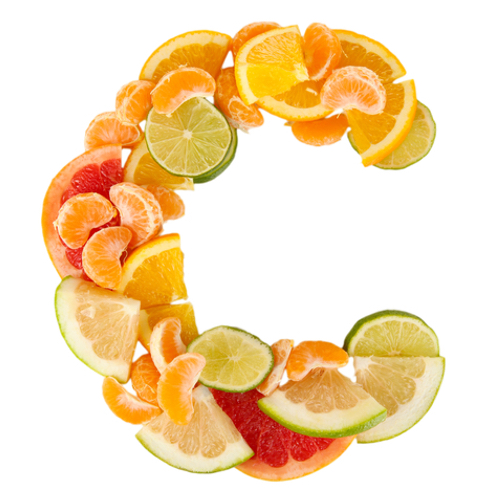
Several excellent antioxidants can restore aging skin's former radiance. These include vitamin C, beta-carotene, lycopene—the red pigment found in tomatoes, watermelons and grapefruit—and isoflavonoids, naturally occurring substances with hormonal activity found in soybeans, soy products and other legumes. The rate of skin aging also depends on genetic factors… Skin aging can be investigated through DNA analysis that reveals which genes we inherited from our ancestors, allowing an individual strategy against skin aging to be developed. This genetic test is called Skin Vitality Sensor and involves analyzing the DNA of cells collected from the lining of the mouth. In the Czech Republic, this examination is performed only at the A2C clinic in Prague.
THE NATURAL AGING PROCESS IS INFLUENCED BY:
- solar radiation
- cigarette smoke
- toxic fumes in the air
- poor nutrition
- excessive alcohol consumption
- stress
- lack of sleep
“Remember, reducing your fat intake by 30% means living 30% longer!”